HQI Exchange’s Lack of Transparency Raises Red Flags
The **HQI Exchange**, also known as HQIEX, currently operates from twenty-nine different website domains without any public information on its ownership or executive team. This lack of transparency is a significant concern for potential investors and distributors, as it raises questions about the legitimacy of the organization.
What It Offers: No Retailable Products
One of the most alarming aspects of HQI Exchange is that it has no retailable products or services. Instead, its promoters are incentivized to recruit new members rather than sell any tangible goods. This model is typical of schemes that prioritize recruitment over actual sales, often leading to unsustainable practices.
Understanding the Compensation Plan
To become a promoter at HQI Exchange, individuals must invest a minimum of 100 tether (USDT). The promise of daily passive returns serves as a lure, but the company does not disclose specific return on investment (ROI) rates or referral commission structures. This lack of clarity should raise alarm bells for anyone considering participation.
The Mechanics of HQI Exchange
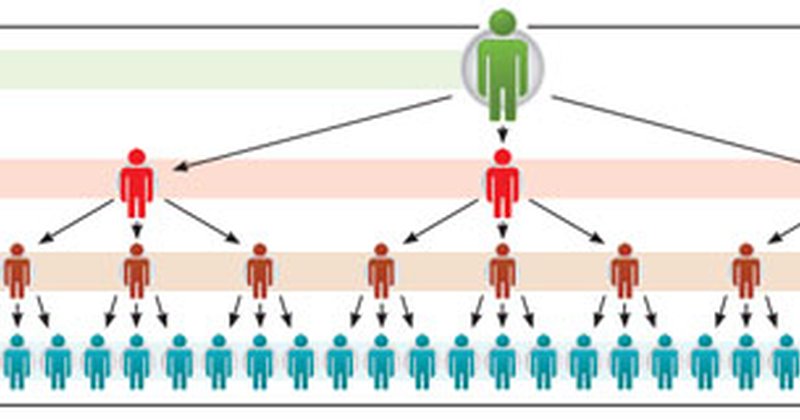
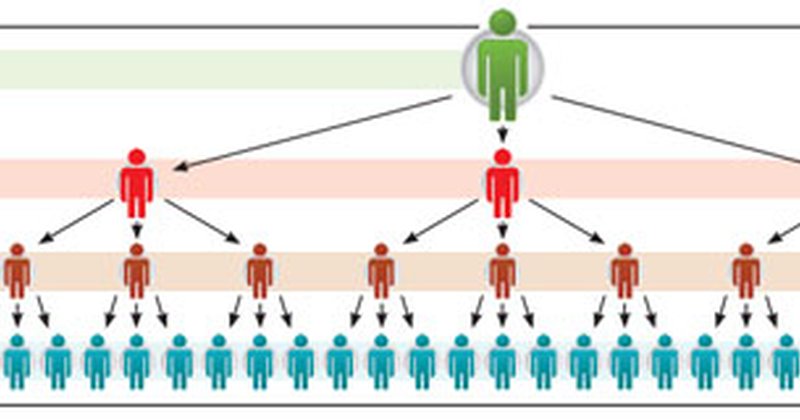
While promoters may believe they are engaging in legitimate trading activities, HQI Exchange operates as a typical Ponzi scheme, where returns for earlier investors are paid using the funds from new recruits. The company’s so-called trading signals appear to be recycled within its app, which means clicking buttons does not lead to genuine trading success.
Risks of Joining HQI Exchange
Investors should approach HQI Exchange with caution. As history has shown, many similar “click a button” Ponzi schemes have collapsed within weeks or months, leaving investors with significant losses. In many cases, individuals find themselves unable to withdraw their funds right when they need them the most.
Industry Context: The Rise of Click-Based Ponzis
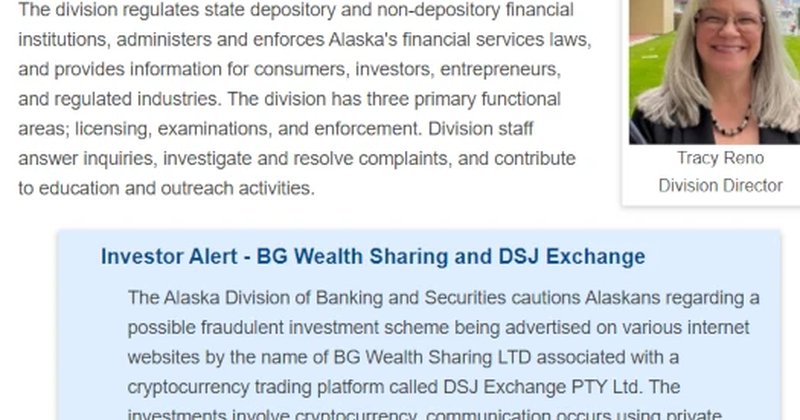
HQI Exchange is part of a larger trend in the MLM industry where “click a button” schemes have emerged since late 2021. Previous examples, such as **League of Seagull** and **BG Wealth Sharing**, have already met their demise, often disappearing overnight, much to the dismay of their investors. The pattern is distressingly similar: once the influx of new funds slows, these schemes often disable their websites and apps, effectively locking investors out.
Escalating Concerns: Organized Crime Links
Recent reports have highlighted the troubling ties between many of these schemes and organized crime, particularly in Southeast Asia. Authorities in countries like Thailand and Myanmar have cracked down on scam factories that specialize in running these Ponzi schemes. Despite these efforts, new operations continue to pop up, indicating a persistent issue in the industry.
What This Means for Investors
This situation is significant because it highlights the ongoing risks associated with unregulated investment schemes in the MLM arena. For consumers, the lack of transparency, combined with the absence of legitimate products, should prompt serious consideration before investing. It’s crucial for potential distributors to remember that if a company is not upfront about its leadership and operations, it may not be a trustworthy opportunity.
What to Watch For
As the landscape of the MLM industry continues to evolve, investors should stay vigilant about emerging schemes like HQI Exchange. Monitor any developments concerning regulatory actions or consumer warnings that may arise, as these can provide critical insights into the legitimacy of such opportunities. Understanding the red flags can protect you from falling victim to yet another Ponzi scheme.