Teelx Raises Red Flags in MLM Industry
The MLM platform known as Teelx is drawing significant scrutiny due to its questionable practices and lack of transparency. Notably, the company does not disclose any ownership or executive information across its multiple websites, which raises concerns about its legitimacy.
Multiple Domains and Concealed Operations
Teelx operates under at least twelve different website domains. This fragmented approach appears to be a strategy to obfuscate its online presence and avoid detection by fraud monitoring systems. Many of these domains have their functionalities disabled, which hints at an attempt to evade scrutiny.
Claims of Legitimacy
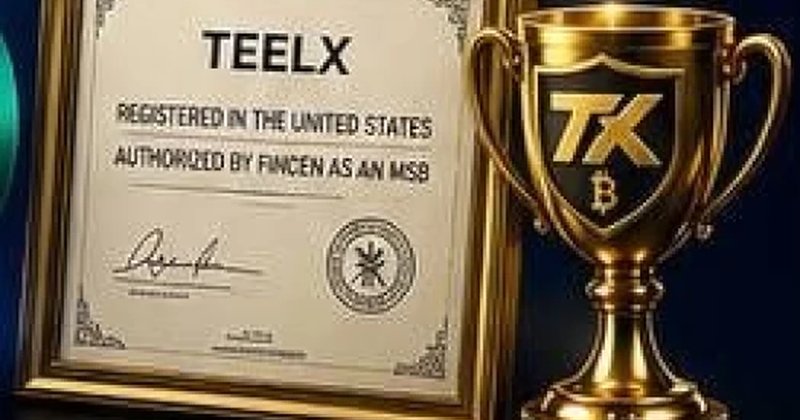
To bolster its image, Teelx claims to be registered in the United States and states that it is authorized as a Money Services Business (MSB) by the Financial Crimes Enforcement Network (FinCEN). However, FinCEN is not a regulatory body for financial institutions, and obtaining an MSB registration is relatively easy. This tactic is often seen in fraudulent schemes attempting to project an air of legitimacy.
As a rule of thumb, if an MLM company is not transparent about its leadership, potential investors should be wary.
Products and Services: A Scarcity
Teelx offers no tangible products or services for sale. Promoters are primarily encouraged to market the membership itself, which is a common red flag in the MLM industry. This lack of a product indicates that the company’s focus is more on recruitment than on providing actual value to customers.
Understanding Teelx's Compensation Plan
Teelx promoters must invest a minimum of 500 USDT to participate, with promises of a 2% return on investment (ROI) paid out twice daily. This model relies heavily on recruitment, meaning that existing members must continuously bring in new investors for the scheme to sustain itself.
Promoter Ranks and Earnings
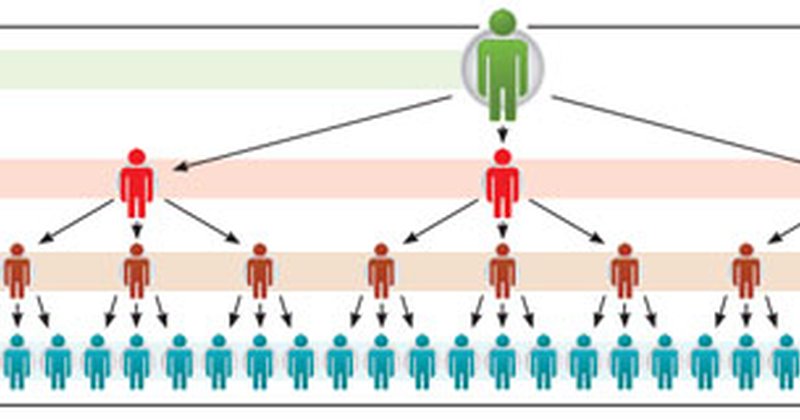
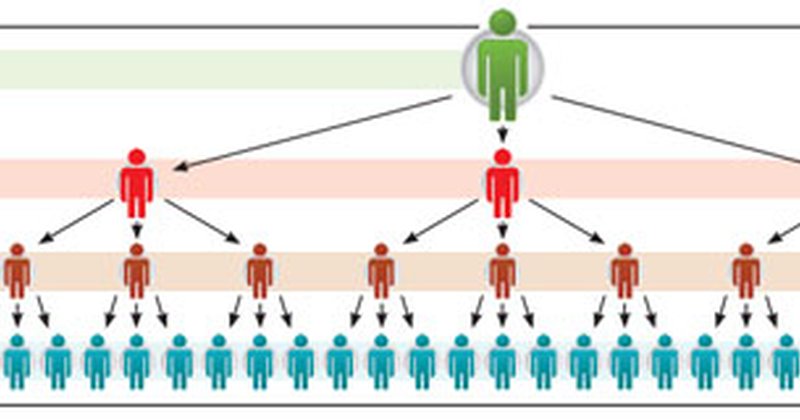
The compensation structure includes ten different promoter ranks, each with specific qualifications. Earning potential includes referral commissions based on the investments of recruited promoters, as well as ROI matches based on daily returns for downline members.
Alarmingly Familiar Patterns
Teelx’s business model resembles a myriad of "click a button" Ponzi schemes that have emerged since late 2021. These schemes often promise quick returns through fabricated trading signals. In Teelx’s case, it falsely claims to offer trading signals through a supposed partnership with an AI firm called Nscale, which has no actual involvement with the company.
The Risks of Participation
Investors in such schemes typically find themselves locked out of their accounts when they attempt to withdraw funds, particularly after a withdrawal request. If the scheme collapses, which is common, investors may lose all their money. History shows that many of these Ponzi schemes, including Teelx, eventually shut down without warning, leaving participants out of pocket.
The Bigger Picture
Teelx is part of a larger trend of MLM schemes that leverage technology to create enticing but ultimately fraudulent opportunities. These scams often have ties to organized crime syndicates, particularly from regions with lax enforcement of financial regulations. For instance, recent actions by authorities in Southeast Asia aim to dismantle networks of scammers that capitalize on unsuspecting investors.
What This Means
For potential investors in the MLM space, Teelx serves as a cautionary example. The absence of transparency, lack of legitimate products, and reliance on recruiting new members should raise significant alarms. Consumers should thoroughly research any investment opportunity and remain skeptical of promises that seem too good to be true.
Looking Ahead
As the MLM landscape continues to evolve, potential participants should remain vigilant. Watch for updates on regulatory actions that could impact the operations of companies like Teelx and similar entities. Additionally, stay informed about emerging patterns in how these schemes operate to better protect your investments.