League of Seagull Under Scrutiny for Ponzi Scheme Allegations
League of Seagull, also known as Seagull Alliance and RisCoin, is currently facing serious allegations of operating as a Ponzi scheme. Notably, the company has not disclosed any ownership or executive details across its websites since its inception in mid-2025.
Domain Issues and Regulatory Attention
As a result of its questionable practices, League of Seagull has been forced to abandon numerous domains due to fraud warnings. A list of disabled websites associated with the company highlights the extensive concerns surrounding its operations:
- List of deactivated domains is not exhaustive.
- All active and inactive domains are tied to fraud-related accusations.
The attention from financial regulators is particularly alarming for the MLM community. The Philippine Securities and Exchange Commission (SEC) claims that League of Seagull has been defrauding consumers since September 2024, emphasizing the scope and reach of this operation.
Fictional Executives in the Spotlight
Compounding the issue, the company has been linked to a cast of fictional executives, including:
- Charles Hamilton (Leader)
- Martin Collins (Technology)
- David Morley (Trade Signal Watcher)
- Patrick Iqbal (Compliance)
- Olivia Coffman (Marketing and Recruitment)
- Margaret Alston (Marketing and Recruitment)
- Alisana Miller (Operations)
- Annabell (Operations)
These fictitious identities raise red flags about the legitimacy of the business, especially since its promotional efforts began targeting Filipino communities both domestically and abroad.
The Nature of League of Seagull's Offerings
League of Seagull does not provide any tangible products or services. Instead, the business model revolves around selling promoter memberships, which are free to obtain. However, to fully access the income opportunities, members must invest a minimum of 100 USDT.
Promoters are lured in with the promise of passive returns, purportedly linked to fake trading signals that claim to yield around 1% per signal processed. This raises a significant concern for potential investors: without a legitimate product, returns are likely funded by the money from new investors, typical of a Ponzi scheme.
Understanding the Compensation Structure
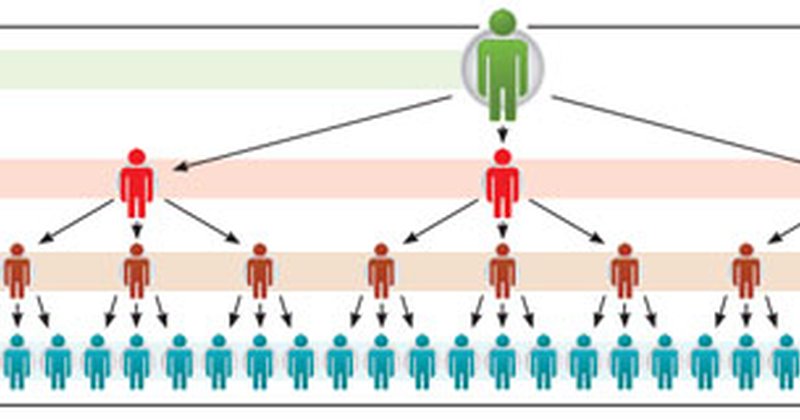
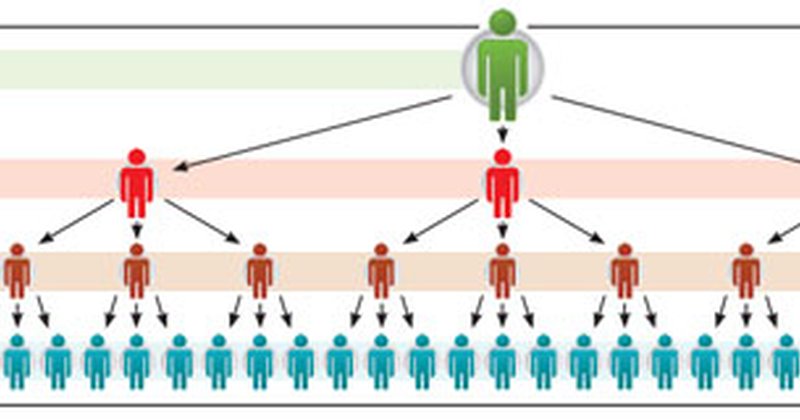
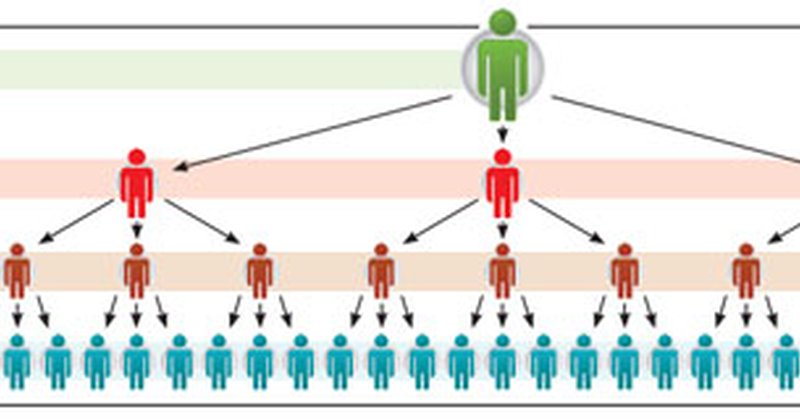
Investors can earn referral commissions based on the investment amounts of the individuals they recruit, extending down three levels in a unilevel structure. Such compensation plans often attract individuals seeking quick returns, but they also highlight the risks involved.
Analyzing the Business Model
League of Seagull operates under the guise of a trading signal provider through its RisCoin app. Yet, critics argue that clicking buttons in the app does nothing substantive. The model essentially recycles funds from new investments to pay earlier investors, perpetuating a cycle that is unsustainable.
This model has been linked to numerous other Ponzi schemes that have cropped up since late 2021, many of which have already collapsed. Examples of similar schemes include BG Wealth Sharing and VSTSA. The pattern of these schemes shows that they often last only a few weeks to months before disappearing, leaving investors with losses.
Risks and Warnings for Investors
"If an MLM company is not transparent about its leadership or ownership, it's essential to think carefully before investing your money."
The trend with such “click a button” Ponzi schemes is that they disable websites and apps without notice, often coinciding with withdrawal requests from investors. Recovery scams frequently emerge during these collapses, where scammers demand additional fees for fund access.
Furthermore, organized crime elements, particularly from China, have been implicated in running these scams, which only heightens the need for vigilance in the MLM landscape.
What This Means for the MLM Community
The unfolding situation with League of Seagull serves as a stark reminder of the risks associated with opaque MLM opportunities. For potential investors, the lack of transparency and the absence of legitimate products should be red flags. For the broader MLM community, it reinforces the necessity of due diligence and the importance of regulatory oversight.
Looking Ahead
As authorities continue to investigate League of Seagull, industry watchers should remain alert to updates regarding regulatory actions and the company's operational status. Potential investors should be cautious of any opportunities that lack transparency, especially in light of the growing number of similar schemes.